The Work Behind the Handle

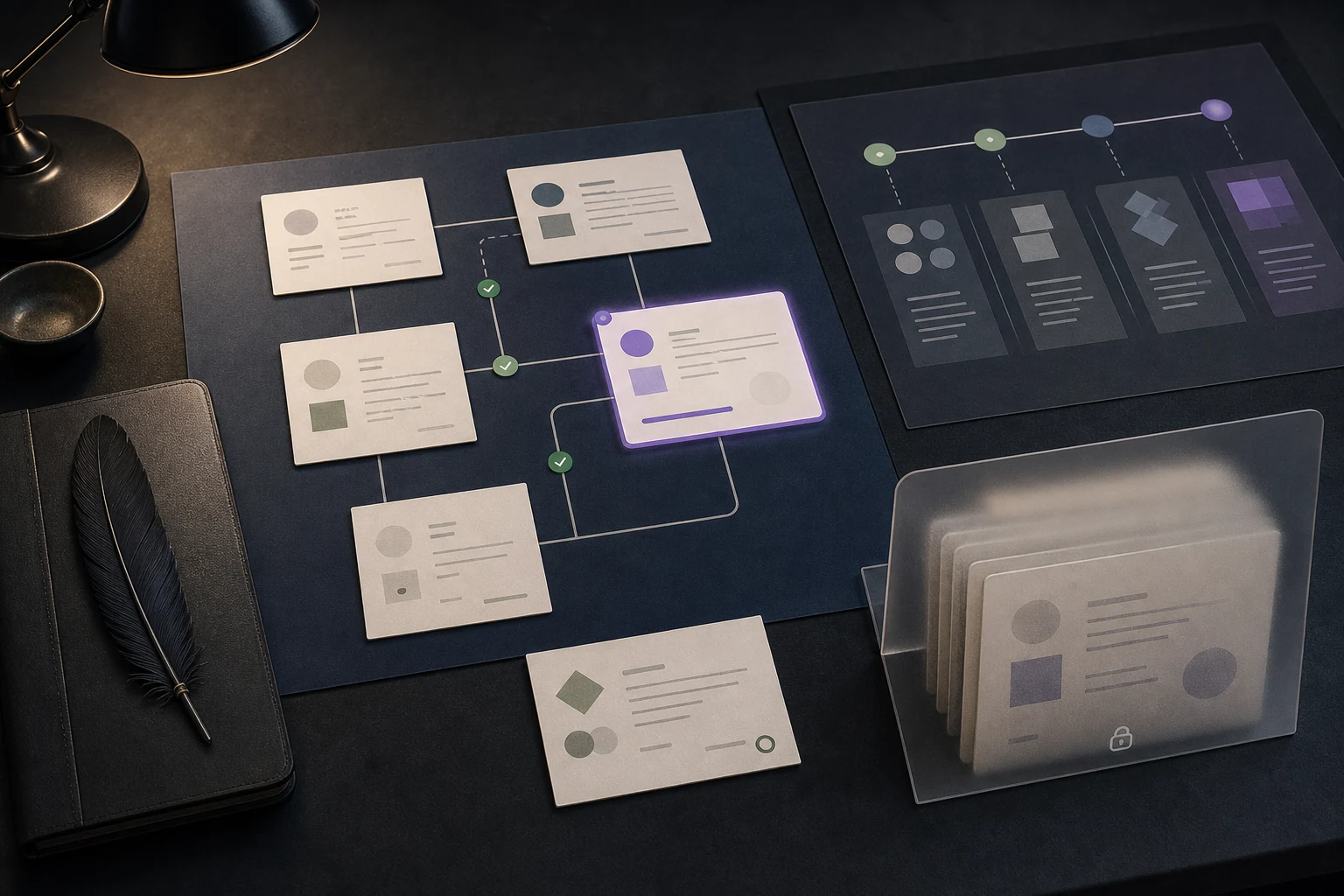
The handle is the name on the door. The site is the map of the work.
The public side of the work gets organized here: articles, projects, workflows, skills, references, notes, and the practical systems that connect them. It is personal because the judgment is personal. It is work-first because a reader should not have to decode a persona before finding something useful.
The point is simple: make the useful parts of the work visible without turning the private workshop into the product.
Why this site exists
Most finished work hides the decisions that made it useful.
You see the article, the page, the tool, the system, or the cleaner answer. You do not always see what got cut, what was simplified, what was routed somewhere else, or what hard no made the result stronger.
That hidden layer matters. It shows how the work thinks.
This site gives that layer a public place to land when it can help a reader understand, compare, trust, or use an idea. Not every note needs to be public. Not every internal detail should come outside. The useful pieces get translated; the private wiring stays behind the wall.
The site is not a diary and not a sales page. It is a public map of useful work.
That map should get clearer as the work gets clearer.
Personal, but work-first
A personal site can go soft fast if the work is not the center.
The name, taste, humor, and point of view matter. They are part of why the site feels like a person made it instead of a template pretending to have a pulse. But the reader still needs a job to do here.
They may want to know what is being built. They may want to see how messy ideas become practical systems. They may want a useful article, a reusable workflow, a project reference, or a trail into related work.
That is the center:
- what is being built;
- why it matters;
- how the pieces connect;
- what can be reused;
- what a reader should explore next.
The handle gives the work a home. The work gives the handle a reason to matter.
What readers can find here
Useful public work has a clear reader-facing job.
That includes articles about decisions, project pages that explain something real, workflow and skill pages cleaned up enough to share, references that make the site easier to navigate, and notes about how pieces connect.
The test is not whether something happened. The test is whether it helps a reader.
Does it explain a useful decision? Does it show a practical pattern? Does it make another page easier to understand? Does it give a technical peer or future collaborator a clearer sense of how the work gets done?
If yes, it is a candidate for the public map.
If it only makes sense with private backstory, raw coordination context, or three passwords whispered under a full moon, it belongs somewhere else.
How to browse without a treasure map
The site should be easy to enter from more than one direction.
Articles carry recent thinking and practical lessons. Projects show larger bodies of work. Workflows and skills expose reusable patterns when they are useful outside the workshop. References and knowledge-base pages hold definitions, context, and connective tissue.
A first-time reader should not need the whole history to find a reasonable first click.
A technical peer may follow a workflow or systems article. A future customer may look for proof that messy ideas can become practical tools. A returning reader may start with the newest article and branch into related pages.
The structure should support those paths without pretending every reader wants the same tour.
What stays off the page
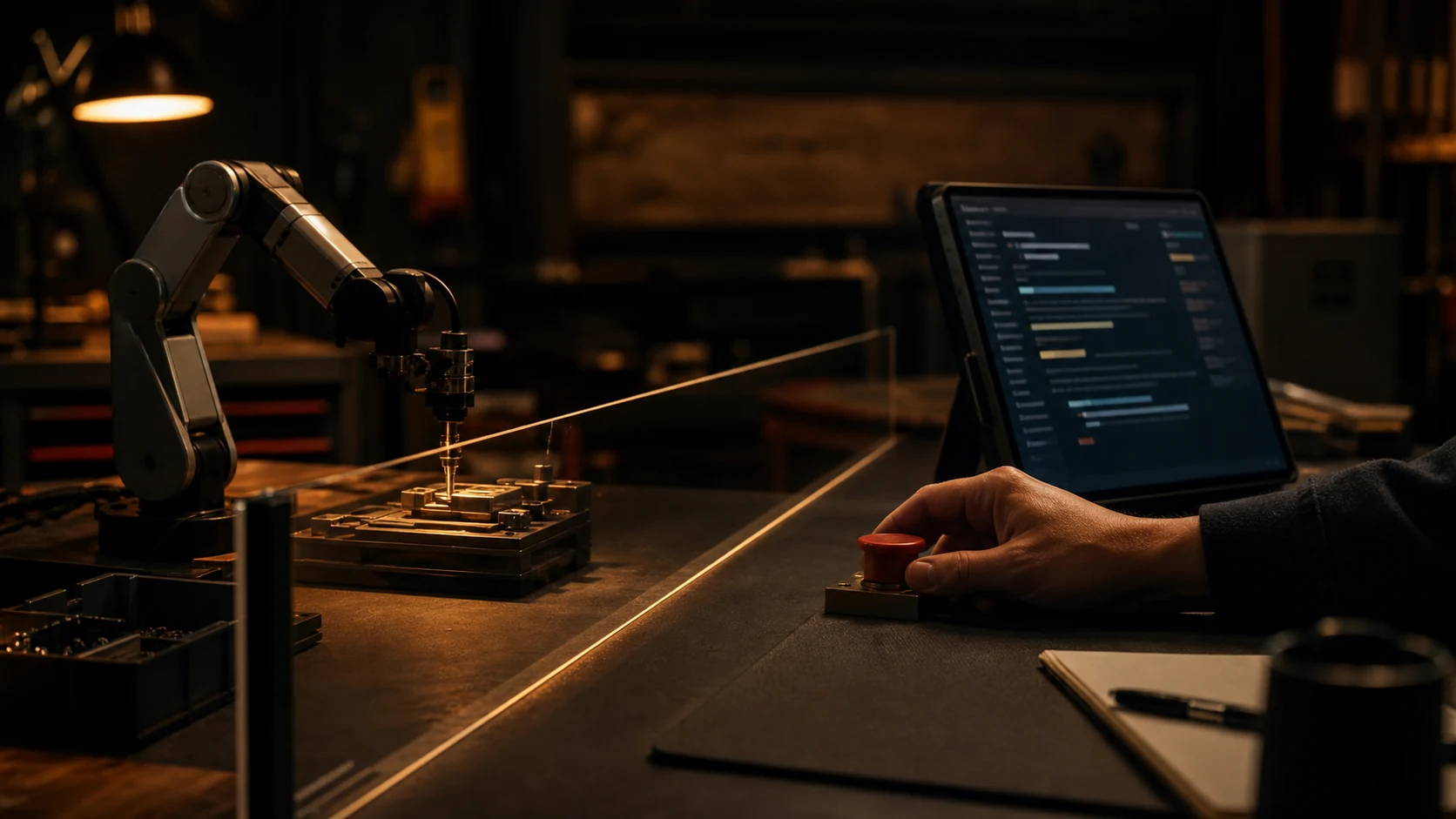
The public map does not need the private basement.
Family details, credentials, raw coordination notes, private hostnames, and internal operating mechanics stay out. So does filler written only because a route looked empty. More public text is not automatically more useful.
The boundary makes the site stronger because it forces translation. A private detail may inspire the work, but the public page needs the reader-facing point: what changed, what matters, what can be reused, what should be avoided, or where to go next.
That is the difference between a useful public artifact and a workshop transcript.
Where this fits
This is the personal public work map.
It can point toward business-facing work when that path is ready, but it should not become a sales page wearing a raven mask. It can show systems and process, but it should not ask readers to care about internal mechanics before it gives them a payoff.
The site should answer three questions quickly:
- What is here?
- Why does it matter?
- What is worth reading next?
If it does that, the handle is doing useful work. It gives the public pieces a place to connect, and it gives the reader a way to follow the trail without needing the private map.
Share this article
If this helped, pass it along.